“Dive and Jewelry on Display,” the Exhibition at the Vicenza Jewelry Museum
Curated by Paola Venturelli, the exhibition brings together stage jewels by Corbella linked to Maria Callas, Renata Tebaldi, and the great voices of the twentieth century, on view through September 30
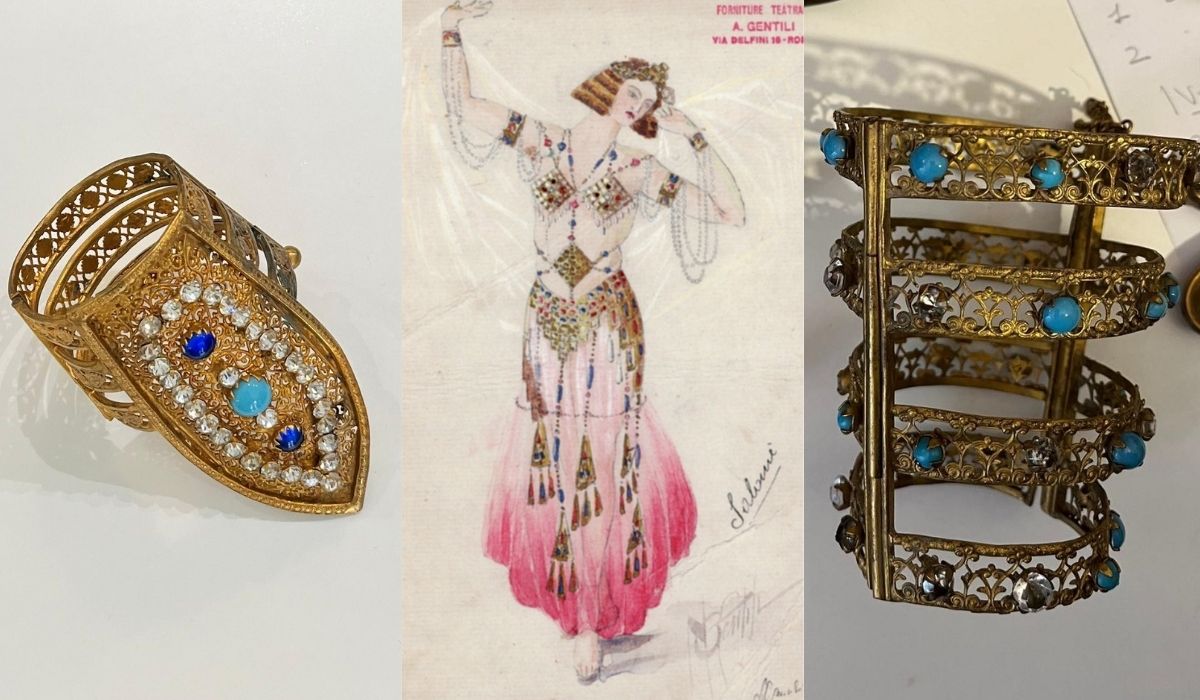
The Jewelry Museum of Vicenza is presenting the temporary exhibition “Divas and Jewels on Stage. Corbella for Renata Tebaldi, Maria Callas, and the Voices of Opera,” on view through September 30. Curated by Paola Venturelli, the exhibition brings together diadems, crowns, and stage ornaments worn by some of the most celebrated opera singers of the twentieth century, alongside precious textiles and historical documents. On display is a selection of jewels created by Milan-based Corbella, the “First Factory of Jewelry and Weapons for the Theater,” founded in 1865 and, for more than a century, a leading supplier to major opera houses around the world.
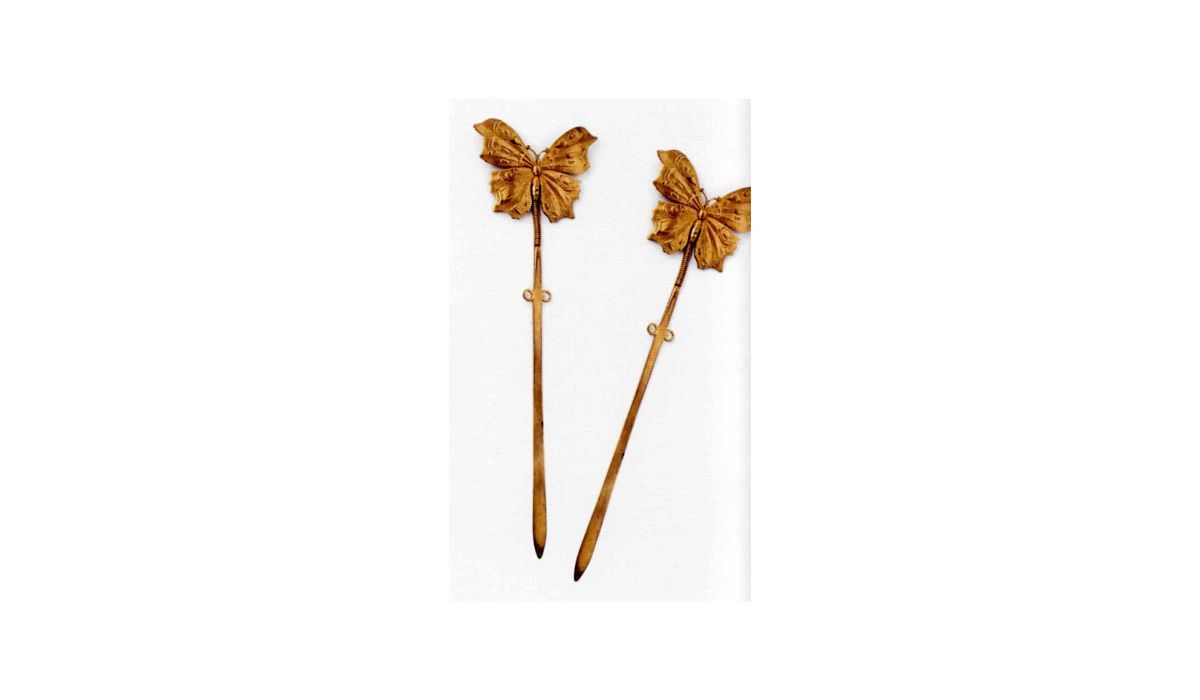
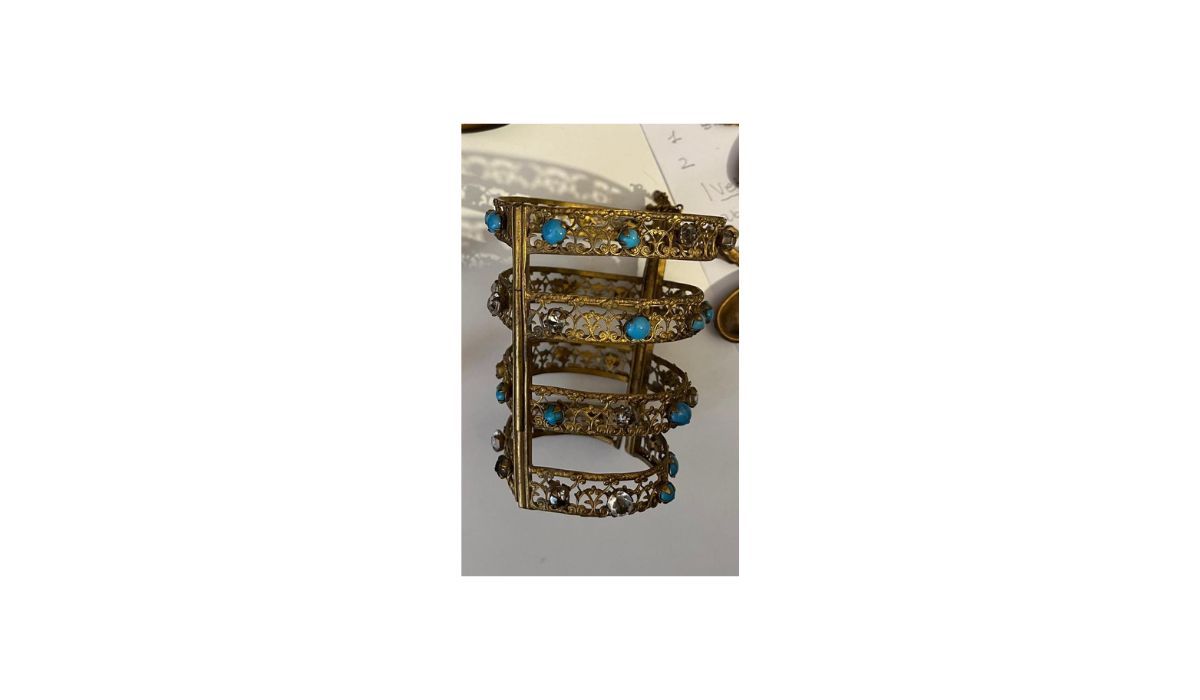
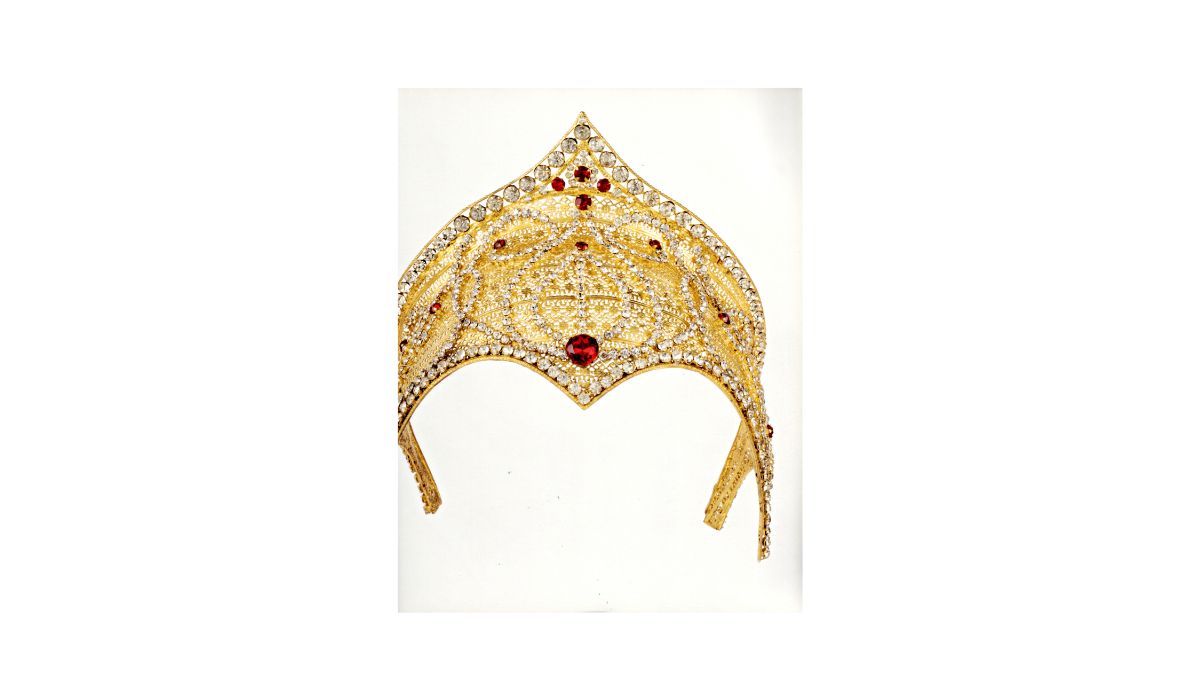
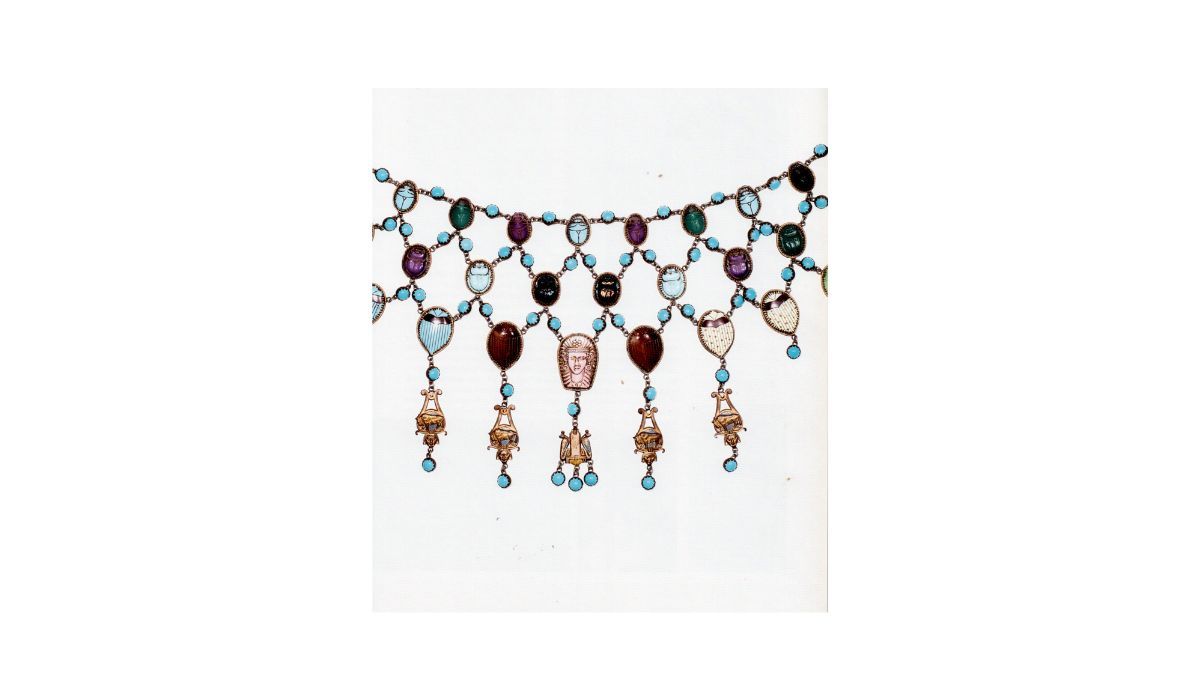
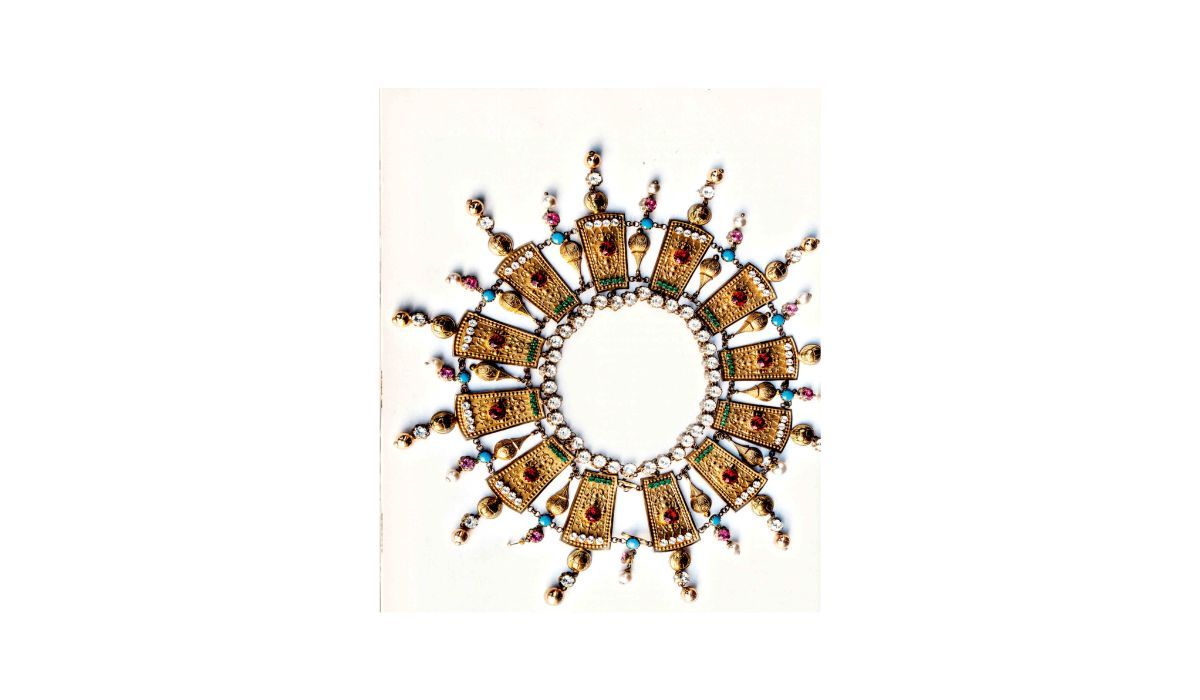
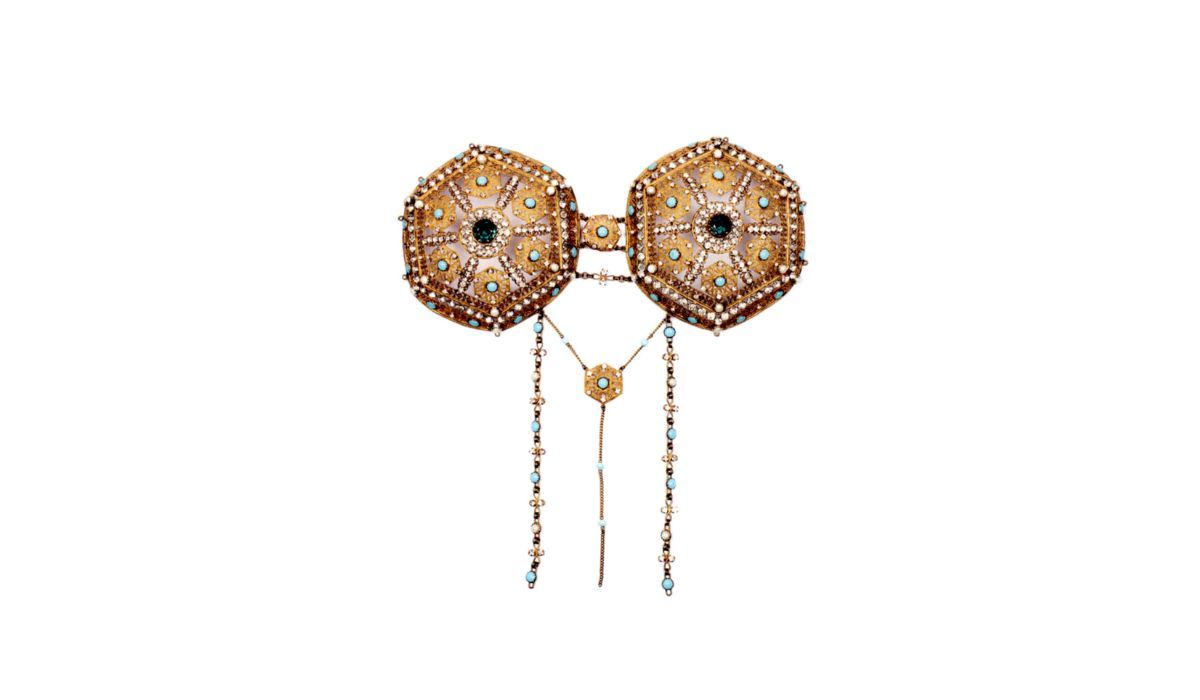
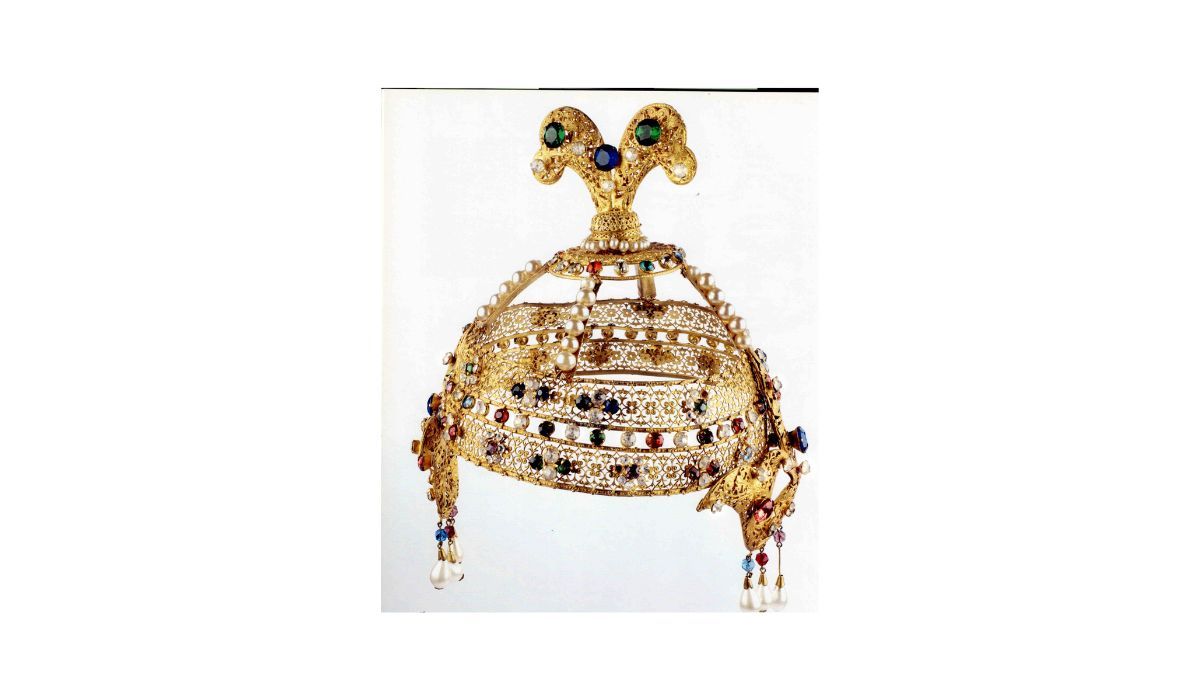
The exhibition highlights figures including Rosetta Pampanini, Margherita Carosio, Margherita Cipolato Nicolai, Maria Caniglia, Giulietta Simionato, Renata Tebaldi, and Maria Callas. Made of gilded metal, filigree, pâte de verre, and rhinestones, the pieces draw inspiration from both high jewelry and historical models reinterpreted for the stage. Among the highlights are a polychrome Egyptian-style necklace once owned by Maria Callas, a tiara created for Umberto Giordano’s Fedora, the headdress worn by Leila in The Pearl Fishers, a jeweled bra with exotic influences, and hair ornaments made for Puccini’s Madama Butterfly.
Marking the centenary of Turandot’s premiere at La Scala in 1926, the exhibition also features the celebrated en tremblant crown worn by soprano Rosa Raisi, which became one of the opera’s most recognizable visual symbols. « Stage jewelry is not a simple ornament, but a narrative element capable of amplifying the performer’s stage presence and contributing to the construction of the character,» curator Paola Venturelli notes, emphasizing the expressive role these creations play alongside costume, movement, and light. From its founding until its closure in 2013, Corbella served as official supplier to Teatro alla Scala and collaborated with institutions including La Fenice in Venice, Teatro Costanzi in Rome, and the Teatro Colón in Buenos Aires. Many of its creations were purchased directly by performers and accompanied them on international tours.
The exhibition also includes two documents from the “Tullio Serafin” Historical Archive: an original Turandot score and a handwritten letter sent by Maria Callas to Maestro Serafin in 1967. The display is completed by two historic Rubelli textiles: the “Traviata” lampas created for the Apollonian Rooms of La Fenice and the red damask produced for the boxes of La Scala, both evoking the atmosphere and elegance of the great opera houses.