Rajola, One Hundred Years of Courage and Transformation
From a small boutique opened in 1926 in Fiji to today’s international company, Rajola’s story is that of a business that has been able to evolve without losing its identity
When admiring a Rajola jewel, it is easy to appreciate its beauty, perceive its quality, and recognize the attention to detail. More difficult is imagining what came before: the insights, challenges, historical changes, and courageous decisions that allowed a family business to cross a century. One hundred years are not simple to tell and preserve an original vision that is almost impossible to understand through today’s mindset.
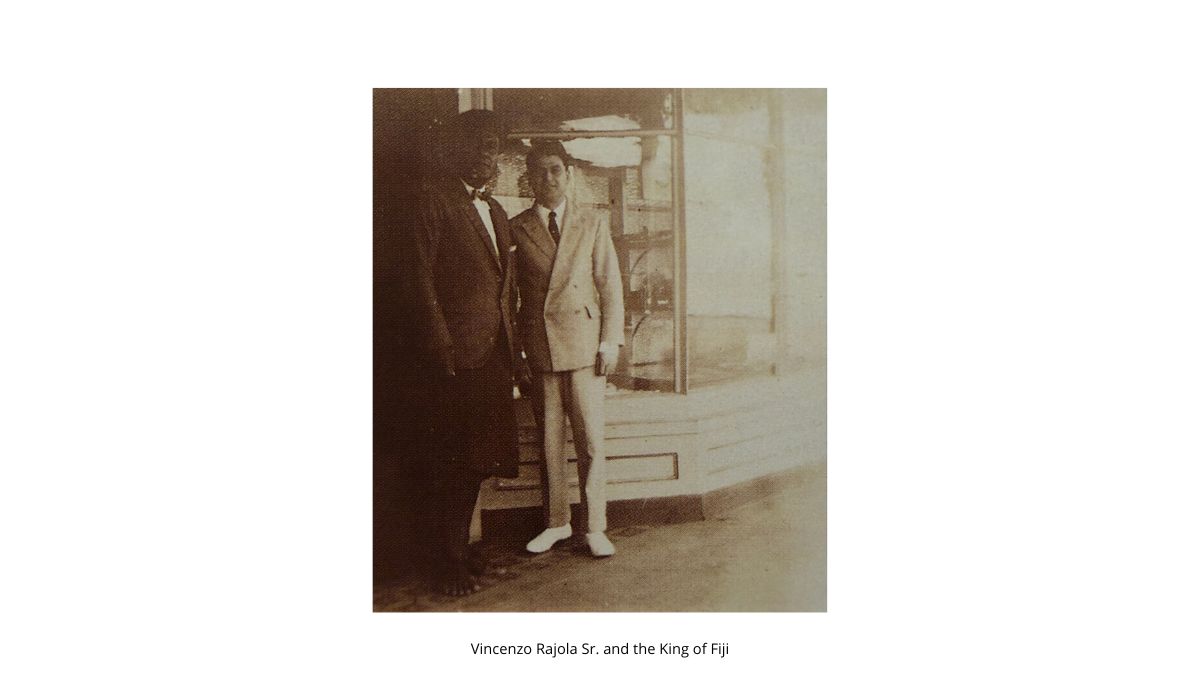
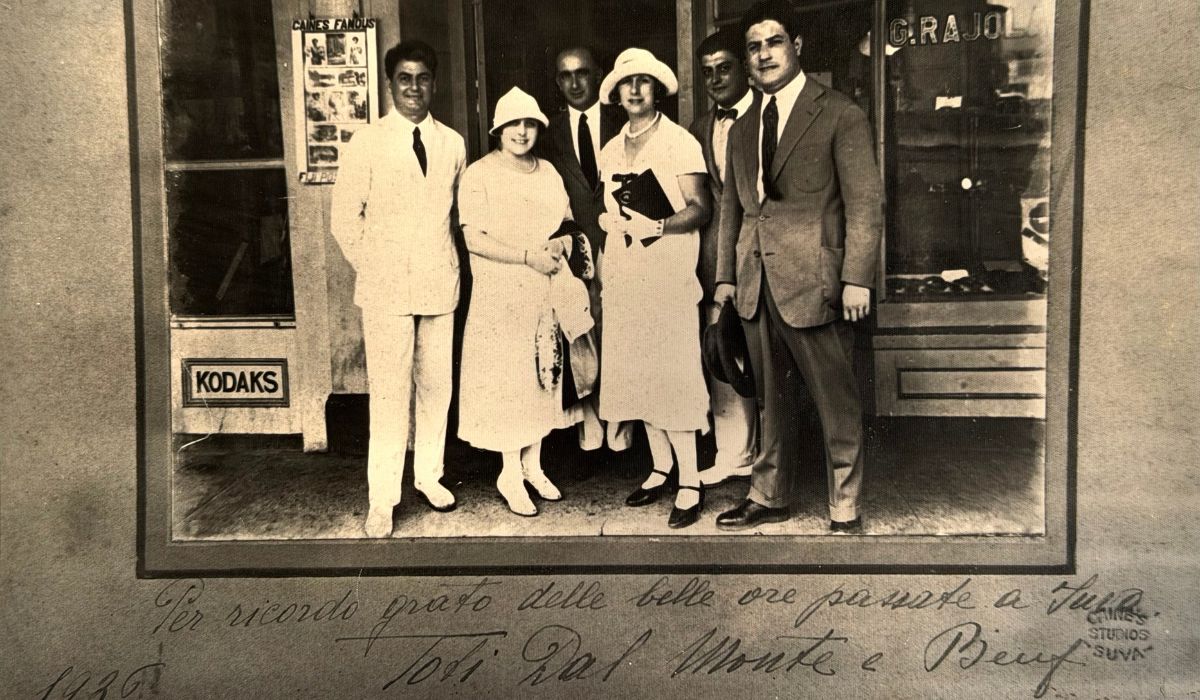
In 1926, when Giuseppe Rajola senior opened his atelier on Main Street in Suva, the capital of the Fiji Islands, traveling meant facing weeks or months of journeys toward distant and unknown lands. His choice proved visionary: identifying Fiji, a stop along the major routes of British and American steamships and cruises frequented by the global elite, as the ideal place to offer coral and cameo jewelry, handcrafted by him. In the same year, Giuseppe Rajola received the gold medal at the Dunedin Universal Exhibition in New Zealand. The recognition contributed to his rapid success. But destiny follows unpredictable paths: a terrible piece of news convinced him to return to Italy. A choice dictated by circumstances that changed the course of history. A few years later, in fact, the global economic crisis of 1929 and the Wall Street crash interrupted major international cruises, changing the balance of trade. If Giuseppe and his wife Maria had remained in Fiji, perhaps the Rajola we know today would not exist. Instead, Vincenzo Rajola senior, Giuseppe and Maria’s son, gave new energy to the family business after the war. These were the years when fashion rediscovered the value of natural materials and jewelry increasingly entered into dialogue with clothing. Rajola interpreted this change by creating jewelry and accessories that attracted the attention of important figures in Italian fashion, including the Sorelle Fontana atelier, for which it created refined jewel buttons and brooches designed for their famous suits.
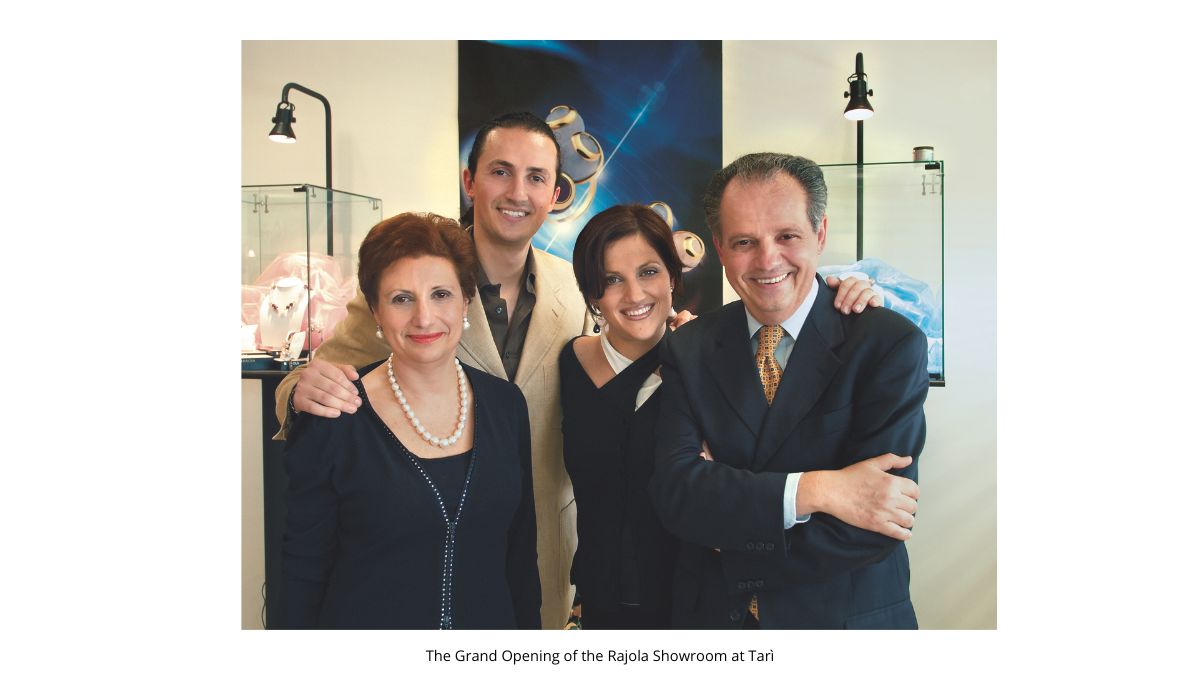
During the economic boom, the third generation arrived. Vincenzo’s sons – Giuseppe, Roberto, and Riccardo – joined the company with a more structured vision. The workshop grew, production expanded, new coral and cameo collections were created, and collaborations with important Italian jewelry companies were strengthened. Rajola also began looking beyond its original borders, opening a branch in Milan to be closer to the markets of Northern Italy. At the end of the 1970s, a new phase began. Giuseppe Rajola, together with his wife Grazia, took over the leadership of the company and faced a crucial challenge: an increasingly competitive market and growing pressure from international manufacturers required a profound change. It was time to invest in design, renew collections, introduce more careful research into shapes and materials, and further raise quality standards. A decisive step that allowed the company to establish itself with greater strength. Today, its journey continues with the fourth generation. Vincenzo and Mariella, children of Giuseppe and Grazia: Mariella, a GIA gemologist, leads the Centro Studi e Design, the creative heart dedicated to research and collection development; Vincenzo manages the company as its corporate director. Under their leadership, Rajola has strengthened its international presence, ideally returning to the ambition that, one hundred years earlier, had pushed their great-grandfather Giuseppe to look beyond known borders. Owning a Rajola jewel today therefore means recognizing a vision born from the courage to experiment and the talent to anticipate the evolution of taste before others.